Smartphones & Mobile Devices
The smartphone in your pocket represents one of the most complex pieces of consumer technology ever created. Within a device barely thicker than a pencil, engineers have packed a powerful processor, a high-resolution display, multiple cameras, and a battery capable of powering it all for an entire day. Yet despite their ubiquity, the technology behind these devices remains poorly understood by most users.
Understanding the core components of mobile devices empowers you to make better purchasing decisions, extend the lifespan of your current phone, and troubleshoot issues when they arise. Whether you’re a power user editing video on the go or simply want your device to last beyond the typical upgrade cycle, knowing how processors, displays, batteries, and other components work together transforms you from a passive consumer into an informed decision-maker.
This comprehensive overview explores the fundamental technologies that define modern smartphones and mobile devices, breaking down complex concepts into practical knowledge you can apply immediately.
Understanding Mobile Processors and Performance
The processor serves as the brain of your smartphone, orchestrating every task from launching apps to rendering graphics. Unlike desktop computers where you can upgrade components individually, mobile processors integrate multiple functions into a single system-on-chip (SoC) that combines the CPU, GPU, RAM, and other essential components.
How Processor Architecture Affects Your Daily Use
Modern mobile processors feature multiple cores, typically ranging from six to eight, each designed for specific workloads. High-performance cores handle demanding tasks like video editing and gaming, whilst efficiency cores manage background processes and simple tasks to conserve battery. This heterogeneous architecture explains why your phone can last all day checking emails but drains rapidly when rendering 4K video.
When evaluating processor performance, consider both single-core and multi-core capabilities. Single-core speed determines how responsive apps feel when launching or scrolling, whilst multi-core performance matters for parallel tasks like video encoding or running multiple apps simultaneously. A processor with eight cores won’t necessarily outperform a six-core chip if the individual cores are slower or the software doesn’t utilize them efficiently.
The Compatibility Challenge
Processor choice directly impacts app compatibility and longevity. The two dominant architectures—Apple Silicon for iOS devices and Snapdragon (or similar ARM-based chips) for Android—handle software differently. Some banking apps or professional tools perform better on one platform due to optimization choices made by developers. Before purchasing, verify that your essential apps run smoothly on your chosen chipset, particularly if you rely on specialized software for work.
Because mobile processors cannot be upgraded, selecting a chipset that will remain capable for several years becomes crucial. Processors typically remain viable for four to five years before newer software demands outpace their capabilities, making this one of the most important long-term considerations when choosing a device.
Display Technology: From Basics to Colour Accuracy
Your phone’s display serves as its primary interface, yet screen technology involves far more complexity than simple resolution numbers suggest. The type of panel, refresh rate technology, and colour calibration dramatically affect both your visual experience and battery consumption.
OLED vs LCD: Understanding the Trade-offs
OLED (Organic Light-Emitting Diode) displays produce their own light at the pixel level, allowing for perfect blacks and significant battery savings when displaying dark content. This explains why dark mode can reduce power consumption by 30% on OLED screens whilst offering no benefit on LCD panels, which require a constant backlight regardless of content. However, OLED technology carries a risk of burn-in when static images remain on screen for extended periods, a particular concern for users who keep their phones active for six or more hours daily.
LCD (Liquid Crystal Display) panels use a backlight that shines through liquid crystals to create images. Whilst they avoid burn-in concerns and often cost less, they cannot achieve the same contrast ratios or battery efficiency as OLED when displaying dark content. For users who primarily view bright content or keep brightness high, the practical difference between technologies narrows considerably.
Colour Accuracy and Display Profiles
Modern displays support multiple colour spaces, primarily sRGB (the web standard) and DCI-P3 (used in cinema and HDR content). Manufacturers often ship phones in “vivid” mode, which oversaturates colours beyond their true values—making red jumpers appear orange or causing news presenters to look sunburnt. For accurate colour representation when shopping online or editing photos, switching to a “natural” or “cinema” profile ensures colours match what you’ll see in person or in print.
Brightness also affects colour perception. When judging fabric colours or makeup shades through your screen, maintain consistent brightness levels of at least 70% and avoid direct sunlight, which forces adaptive brightness to spike and distort colour accuracy. Understanding these display characteristics transforms your phone from a potential source of disappointment into a reliable tool for visual decision-making.
Battery Health and Charging Best Practices
Battery degradation represents the primary reason most users upgrade their phones, yet proper care can extend battery lifespan well beyond three years. Lithium-ion batteries, which power virtually all modern smartphones, deteriorate through chemical processes accelerated by heat, extreme charge states, and rapid charging cycles.
The most damaging habit involves leaving your phone in hot environments—such as on a car dashboard in summer—where temperatures can exceed 60°C and permanently reduce battery capacity. Similarly, consistently charging to 100% or draining to 0% stresses the battery more than maintaining charge between 20% and 80%. Many modern devices now include battery optimization features that learn your charging patterns and delay reaching 100% until just before you typically unplug.
Fast charging technology generates additional heat, which does contribute to long-term degradation, though the convenience often justifies the trade-off. The greater risk comes from using low-quality charging cables that lack proper voltage regulation, potentially delivering inconsistent power that damages both the battery and charging port. A £5 cable from an unknown manufacturer might save money initially but could lead to a £50 battery replacement or even a £500 device upgrade if it fries your charging port.
Most Android devices now allow you to check battery cycle counts—the number of complete charge-discharge cycles completed—which provides objective data about battery health. Once a battery exceeds 500-800 cycles (depending on the manufacturer), capacity typically drops below 80% of original, making a battery swap more economical than replacing the entire device if the phone otherwise meets your needs.
Memory and Multitasking Capabilities
Random Access Memory (RAM) determines how many apps your phone can keep active simultaneously without reloading. Unlike processors, RAM quantity matters more than technical specifications for most users. Devices with 8GB of RAM represent the current sweet spot for power users who frequently switch between apps, though 6GB remains adequate for moderate multitasking.
When you open an app, it loads into RAM for quick access. With insufficient memory, your phone must close background apps to free resources, causing apps to reload from scratch when you return to them—disrupting workflows and wasting time. The frustration of a banking app restarting mid-transaction or a video editor losing unsaved changes typically stems from insufficient RAM rather than processor limitations.
Memory management varies significantly between operating systems. iOS generally requires less RAM than Android to maintain the same number of active apps due to different architectural approaches. This explains why an iPhone with 6GB of RAM might multitask as effectively as an Android device with 8GB or more.
Unfortunately, RAM is soldered directly onto the processor during manufacturing to save space and improve data transfer speeds, making upgrades impossible. This integration represents one of several design choices that prioritize thinness and performance over user serviceability, forcing you to carefully consider your multitasking needs before purchase.
Foldable Phones: Innovation Meets Practicality
Foldable smartphones represent the most significant form factor innovation in recent years, offering tablet-sized screens that collapse into pocket-friendly dimensions. However, the technology introduces unique considerations regarding durability, practicality, and value.
The crease where the display folds remains visible on all current foldable devices, becoming more pronounced over time as the hinge mechanism experiences wear. For most users, the crease becomes imperceptible during normal use as your eyes adjust, though it remains noticeable when running your finger across the screen or viewing certain content at angles. The more pressing concern involves the specialized screen protector that protects the flexible display—removing or replacing it incorrectly can void your warranty, and authorized replacements often cost considerably more than traditional screen protectors.
Environmental factors pose additional challenges. Foldable displays become brittle in sub-zero temperatures, with several documented cases of screens cracking when unfolded in winter conditions. Similarly, the hinge mechanism can accumulate dust and debris, potentially causing internal damage if not properly maintained.
The productivity benefits of foldable devices depend heavily on software optimization. App Pairs—pre-configured combinations of apps that launch simultaneously in split-screen mode—can genuinely enhance workflows for users who regularly reference information while writing, compare documents, or monitor multiple data sources. Without intentional use of these features, however, a foldable phone functions as an expensive standard device that happens to unfold occasionally.
Consider whether the specific use cases enabled by a larger, flexible screen justify the premium price, reduced durability, and thicker profile compared to traditional smartphones.
Design Philosophy: Repairability vs Durability
Modern smartphone design involves constant tension between conflicting priorities: thinness versus battery capacity, water resistance versus repairability, and integrated components versus user serviceability. Understanding these trade-offs helps contextualize why manufacturers make seemingly consumer-hostile decisions.
The shift toward unibody designs with sealed batteries and soldered components enables impressive water resistance ratings (often IP68, meaning submersion protection) and allows engineers to maximize internal space for larger batteries and components. However, these same design choices make repairs expensive and often economically unviable, contributing to electronic waste when a single failed component renders an entire device unrepairable.
Some manufacturers have begun exploring modular designs that balance durability with repairability, using standardized connectors and providing access to batteries and screens without compromising water resistance. These devices typically carry slightly thicker profiles and higher initial costs but offer lower long-term ownership expenses and reduced environmental impact.
The integrated nature of modern smartphones also affects upgrade economics. When the processor, RAM, and storage all reside on a single irreplaceable board, you cannot incrementally upgrade components as your needs evolve. This reality makes choosing appropriate specifications at purchase time critical, as you’ll live with those decisions for the device’s entire lifespan.
Before purchasing, consider whether a repairable device might offer better value despite higher upfront costs, particularly if you tend to keep phones for three or more years. Conversely, if you prefer upgrading frequently or require maximum water resistance for occupational reasons, integrated designs may better serve your priorities.
The technologies examined throughout this overview interconnect in complex ways—processor choice affects battery life, display type impacts longevity, and design philosophy determines whether issues can be economically repaired. By understanding these relationships, you transform from a specification-reader into an informed consumer capable of evaluating how different components and design choices align with your specific needs, usage patterns, and values. Whether you’re selecting your next device or maximizing the lifespan of your current phone, this foundation enables confident, educated decisions in an increasingly complex mobile technology landscape.
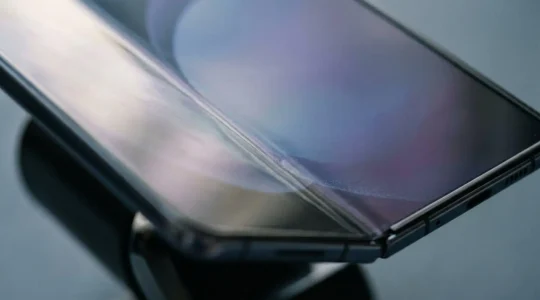
The Foldable Crease: A Dealbreaker for Power Users? An Engineering Analysis
The critical flaw of a foldable phone isn’t the visible crease itself, but what it represents: a focal point for material fatigue that is highly susceptible to environmental and handling stressors. The crease is an unavoidable physical consequence of bending…
Read more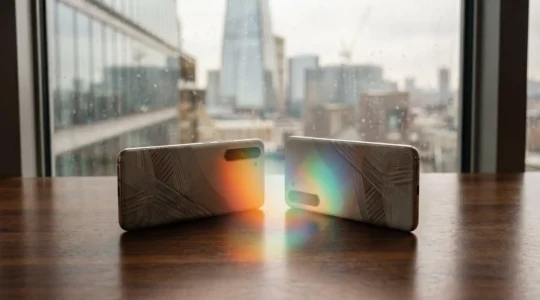
sRGB vs. DCI-P3: The Movie Lover’s Guide to a True Cinema Experience on Your Phone
Your expensive phone might be making movies look worse, not better, by defaulting to oversaturated, inaccurate colours. Most standard content (like news or web images) is made for the limited sRGB colour space, which looks unnaturally “sunburnt” on a modern…
Read more
Why Clothes Look a Different Colour on Your Phone Screen?
The colour you see on your screen is an interpretation, not a reality, causing a frustrating gap between what you buy and what arrives. Your phone’s “Vivid” mode is designed for punchy visuals, not accuracy, actively distorting fabric colours. Hardware…
Read more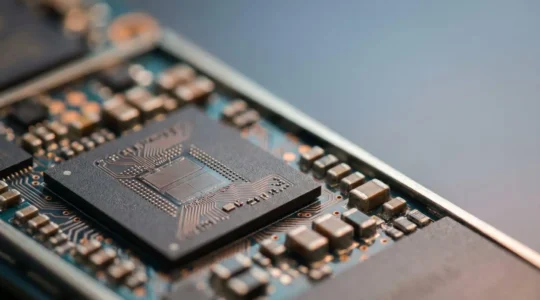
Why You Cannot Upgrade the Processor in Your Smartphone?
Unlike a PC, a smartphone’s processor isn’t a standalone component; it’s the core of a highly integrated System-on-Chip (SoC) that includes RAM, the GPU, and other critical functions. This permanent, soldered design is not a limitation but a deliberate engineering…
Read more
Single-Core vs. Multi-Core: What Really Matters for Mobile Video Editing?
For mobile video editing, focusing on core count is a trap; sustained performance under thermal load is the only metric that truly matters. An 8-core processor that throttles from heat after five minutes is slower than a stable 6-core chip….
Read more
How to Extend Your Phone’s Battery Lifespan Beyond 3 Years?
The secret to a long-lasting phone battery isn’t complicated apps or hacks; it’s managing heat and charging voltage. Consistently charging your phone to 100% or leaving it in a hot car causes irreversible chemical damage to the battery. Fast charging…
Read more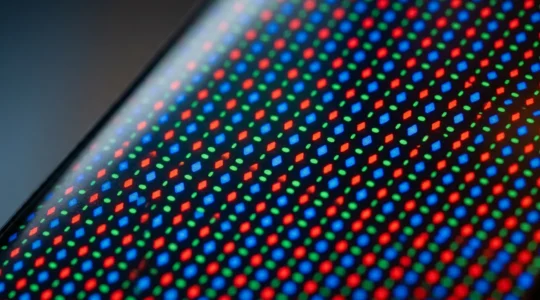
How to Prevent OLED Burn-In on Phones Used for 6+ Hours a Day?
The key to preventing OLED burn-in for heavy users is not just lowering brightness, but actively managing the cumulative stress on individual subpixels caused by static app interfaces. Differential aging, where blue subpixels degrade faster, is the primary cause of…
Read more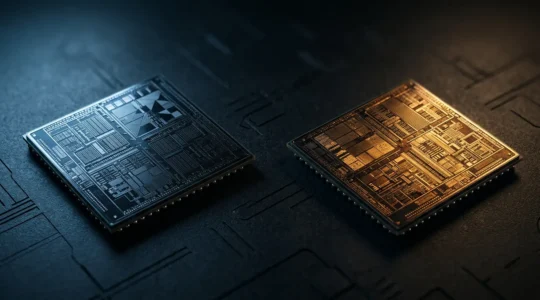
Apple Silicon vs Snapdragon: Which Chip Suits UK Power Users?
The real performance gap between Apple Silicon and Snapdragon isn’t in peak benchmarks, but in sustained workload efficiency and software stability—factors that critically impact professional workflows. Apple Silicon’s advantage stems from its vertically integrated ecosystem, where unified memory and tight…
Read more